
How to Effectively Report a Scammer: A Comprehensive Guide
In today’s digital age, scams are unfortunately becoming more prevalent. Whether it’s phishing emails, bogus lottery wins, or fake online stores, it’s important to know how to report a scammer to protect yourself and others. Taking action is critical, and this article will guide you through the steps necessary to report a scammer effectively. For reference, you can check out additional details on this how to report a scammer in UAE https://flippamagazine.co.uk/pgs/how-to-report-a-scammer-in-uae.html.
Understanding Scams
Before delving into the reporting process, it’s essential to understand what constitutes a scam. Scams can vary widely in type and severity, but they generally involve misleading someone for financial gain. Common types of scams include:
- Phishing Scams: Attempts to obtain sensitive information by disguising as a trustworthy entity.
- Investment Scams: Promises of high returns with little risk, usually involving Ponzi schemes.
- Online Shopping Scams: Fake e-commerce websites that take your money without delivering goods.
- Romance Scams: Fraudsters exploiting emotional relationships to gain financial benefits.
Why Reporting is Important
Reporting a scammer serves multiple purposes:
- It helps law enforcement agencies track scams and work towards preventing them.
- It protects potential victims from falling prey to the same scams.
- In some cases, it can help recover lost funds.
Steps to Report a Scammer
Here’s a structured approach to reporting a scammer effectively:
1. Gather Evidence
Start by collecting all relevant details about the scam. This can include emails, messages, screenshots, and any other communication you’ve had with the scammer. Document everything meticulously, as this information will be crucial when reporting.
2. Identify the Type of Scam
Recognizing the type of scam will help you determine where to report it. Different agencies handle different kinds of fraud, so knowing the nature of the scam is critical.

3. Report to Local Authorities
The first step should generally be reporting the scam to your local law enforcement agency. This can be the police department or other relevant government bodies. Each country has its guidelines, so check your local laws regarding reporting scams.
4. Report to National Agencies
In the United States, you can report to the Federal Trade Commission (FTC). In the UK, the Action Fraud service is available. Many countries have similar national agencies dedicated to handling fraud and scams.
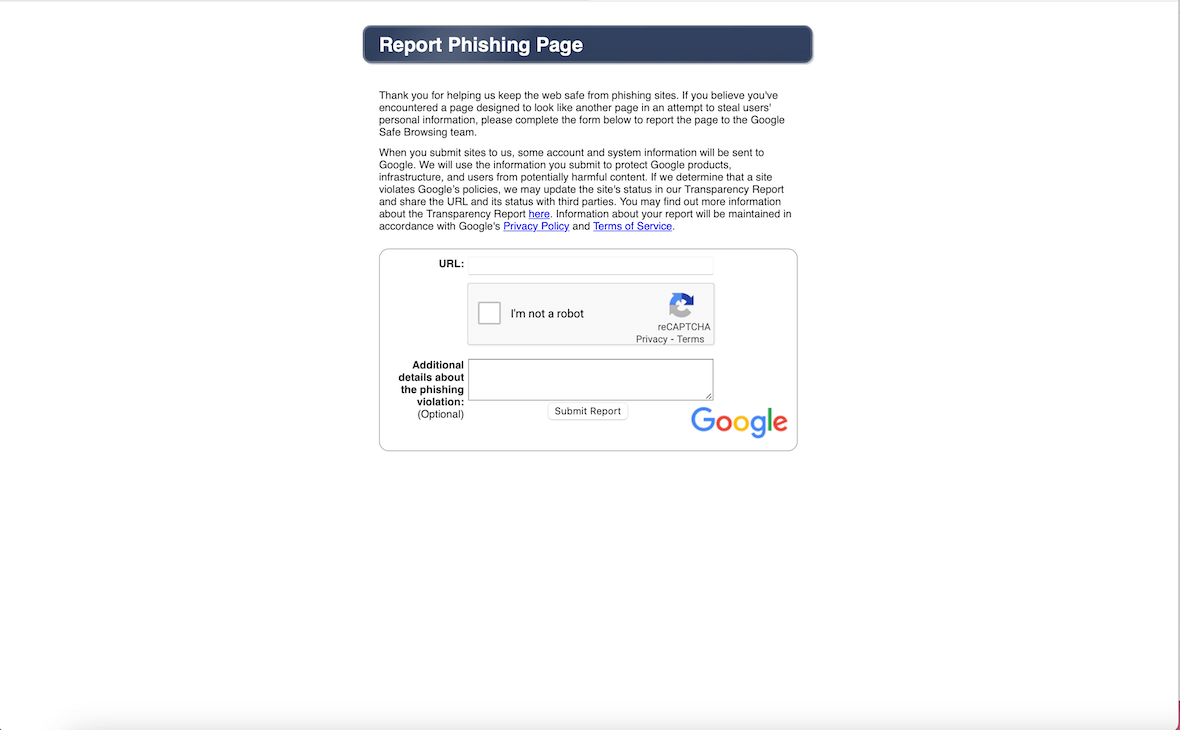
5. Report to Online Platforms
If the scam occurred on social media or a marketplace, report the scammer to that platform. Most platforms have policies against fraudulent activities and reporting options.
6. Report to Consumer Protection Websites
Consider reporting the scam on consumer protection websites like Better Business Bureau (BBB), Yelp, or Trustpilot. These sites can alert other consumers to potential risks.
Protecting Yourself from Future Scams
After reporting a scammer, it’s equally important to protect yourself from future scams. Here are a few tips:
- Be cautious with unsolicited communication, especially if it requests personal information.
- Use strong, unique passwords for all your online accounts.
- Regularly monitor your bank and credit card statements for any unauthorized transactions.
- Educate yourself about the latest scams and tactics used by scammers.
Conclusion
Reporting a scammer is a crucial step not only in defending your interests but also in protecting others from becoming victims. By following the steps outlined above, you can effectively report scams and contribute to the fight against fraud. Remember, the more information you provide, the better the chances of action being taken against the perpetrator.