
How to Effectively Report a Scammer: A Step-by-Step Guide
Scammers are becoming increasingly sophisticated, targeting individuals and businesses alike. Reporting a scammer can help prevent others from falling victim to their schemes. This article will provide you with a detailed guide on how to report a scammer effectively. For specific cases in the UAE, you can refer to how to report a scammer in UAE https://flippamagazine.co.uk/pgs/how-to-report-a-scammer-in-uae.html.
Understanding the Importance of Reporting Scammers
When you report a scammer, you contribute to a larger effort in combating fraudulent activities. This is crucial not only to protect yourself but also to prevent others from becoming victims. Law enforcement agencies and consumer protection organizations rely on reports to identify patterns in scam activities and to take action against these criminals.
Step 1: Gather Evidence
Your first step in reporting a scammer is to collect as much evidence as possible. This may include emails, screenshots of conversations, receipts, and any other documentation that supports your claim. The more information you provide, the stronger your case will be. Key details to capture include:
- Contact information of the scammer (phone numbers, email addresses, social media profiles).
- The nature of the scam (what was promised, what was received).
- Your communication history with the scammer.
- Dates and times of interactions.
Step 2: Contact the Right Authorities
Identify the appropriate authorities to report the scammer. This may vary based on your location and the nature of the scam. Common agencies to contact include:
- Local Law Enforcement: File a report with your local police department.
- Consumer Protection Agencies: In many countries, there are consumer protection agencies that handle fraud cases.
- Federal Trade Commission (FTC): If you’re in the United States, you can report scams to the FTC online.
- Internet Crime Complaint Center (IC3): For online scams, this federal agency allows you to file complaints related to online criminal activities.
Step 3: Report to Your Bank or Credit Card Company
If you have been financially impacted by the scam, it’s critical to notify your bank or credit card company immediately. They will guide you through the process of disputing unauthorized charges and recovering your funds if possible. Some steps to consider include:
- Notify them of the fraudulent transaction.
- Ask them to monitor your accounts for any unusual activity.
- Follow their guidelines for securing your accounts, which may include changing passwords or freezing your account.
Step 4: Report on Social Media and Online Platforms
If the scam occurred on a social media platform or an online marketplace, report the scammer within that platform. Most sites have specific guidelines for reporting fraudulent behavior. Include as much detail as possible in your report to help the platform take action. Additionally, warn your friends and followers about the scam to prevent them from falling victim.
Step 5: Document Your Reporting Process
Keep detailed records of all your reporting actions. This includes any confirmation numbers, emails, or communications you receive from authorities. This documentation can serve as evidence if further action is required. Maintaining a timeline of events can also help clarify your situation, should you need to escalate your case.
Step 6: Stay Informed and Alert
After reporting, it’s essential to stay informed about the progress of your report. Many agencies may provide updates via email or through their online systems. Keep yourself updated on common scams, as new ones appear regularly. Organizations like the FTC regularly publish information on trending scams that can help you recognize and avoid them in the future.
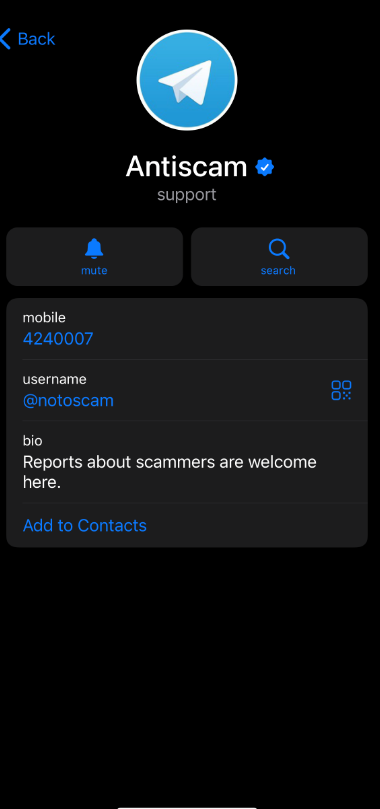
Step 7: Seek Support and Guidance
Being scammed can be distressing, and it’s essential to seek support if you’re feeling overwhelmed. This may involve talking to friends or family members, or seeking help from support groups for victims of fraud. Various organizations offer resources and counseling for individuals impacted by scams, which can be beneficial for your mental health.
Additional Resources
There are many resources available for individuals looking to report a scammer or learn more about how to protect themselves from scams. Useful links may include:
- Federal Trade Commission’s Complaint Page
- Internet Crime Complaint Center
- Better Business Bureau Scam Tracker
Conclusion
Reporting a scammer is a critical action that helps combat fraud and protects others from becoming victims. By following these steps, you can ensure that you contribute effectively to the fight against scams. Remember to stay vigilant and informed about the latest scams to protect yourself and your community.