
The Impact and Evolution of British Horse Racing: A Closer Look at Its Challenges
British horse racing has captivated audiences for centuries, standing as one of the country’s most celebrated sports. The adrenaline rush of races, the glory of victory, and the tradition surrounding this noble endeavor create a unique experience for fans and participants alike. However, the growth of the sport has not been without its challenges, particularly in the context of British horse racing not on GamStop horse racing not on GamStop and its implications for the gambling culture associated with racing.
The Rich History of British Horse Racing
Horse racing has deep roots in British culture, with its origins tracing back to the early Middle Ages. The first official race meetings began in the 17th century, with events held in London and various notable locations across the country. The establishment of the Jockey Club in 1750 marked a pivotal moment in the sport, creating standardized regulations and promoting fair play.
Throughout the 19th century, British horse racing experienced an explosion in popularity. Iconic races like the Derby at Epsom Downs and the Grand National at Aintree became symbols of the sport, drawing large crowds and facilitating the betting culture that is now synonymous with racing. This period not only showcased the speed and agility of the equine athletes but also knitted together a community of enthusiasts, gamblers, and trainers, all passionate about the thrill of the race.
Modern Challenges Facing the Industry
As the 20th and 21st centuries unfolded, British horse racing encountered numerous challenges affecting its integrity, excitement, and accessibility. The growth of technology brought about significant changes in how racing was consumed and bet upon, transforming the gambling landscape. Online betting has revolutionized the way fans engage with the sport, granting them unprecedented access to betting platforms and racing information.
However, this evolution has not come without its complications. One major concern is the potential for gambling addiction, leading to an increased focus on responsible gaming initiatives. While organizations like GamStop are established to help problem gamblers self-exclude from online gambling platforms, the concept of „horse racing not on GamStop” has emerged, attracting bettors seeking alternative avenues for wagering that fall outside traditional regulatory measures.
The Growth of „Horse Racing Not on GamStop”
The concept of „horse racing not on GamStop” refers to the availability of racing events and betting options that are not regulated by the self-exclusion program. This means that punters can engage with betting activities on platforms not affiliated with GamStop, often enticed by the promise of fewer restrictions and more flexible gaming environments.
While this alternative may appeal to some bettors, it raises several ethical and regulatory questions. The lack of oversight and protections present in regulated gaming environments can put vulnerable individuals at risk. It is essential for stakeholders in the horse racing community, including trainers, owners, and regulators, to address these concerns and proactively work toward creating a safe and responsible betting culture.
Efforts to Enhance Racing Integrity
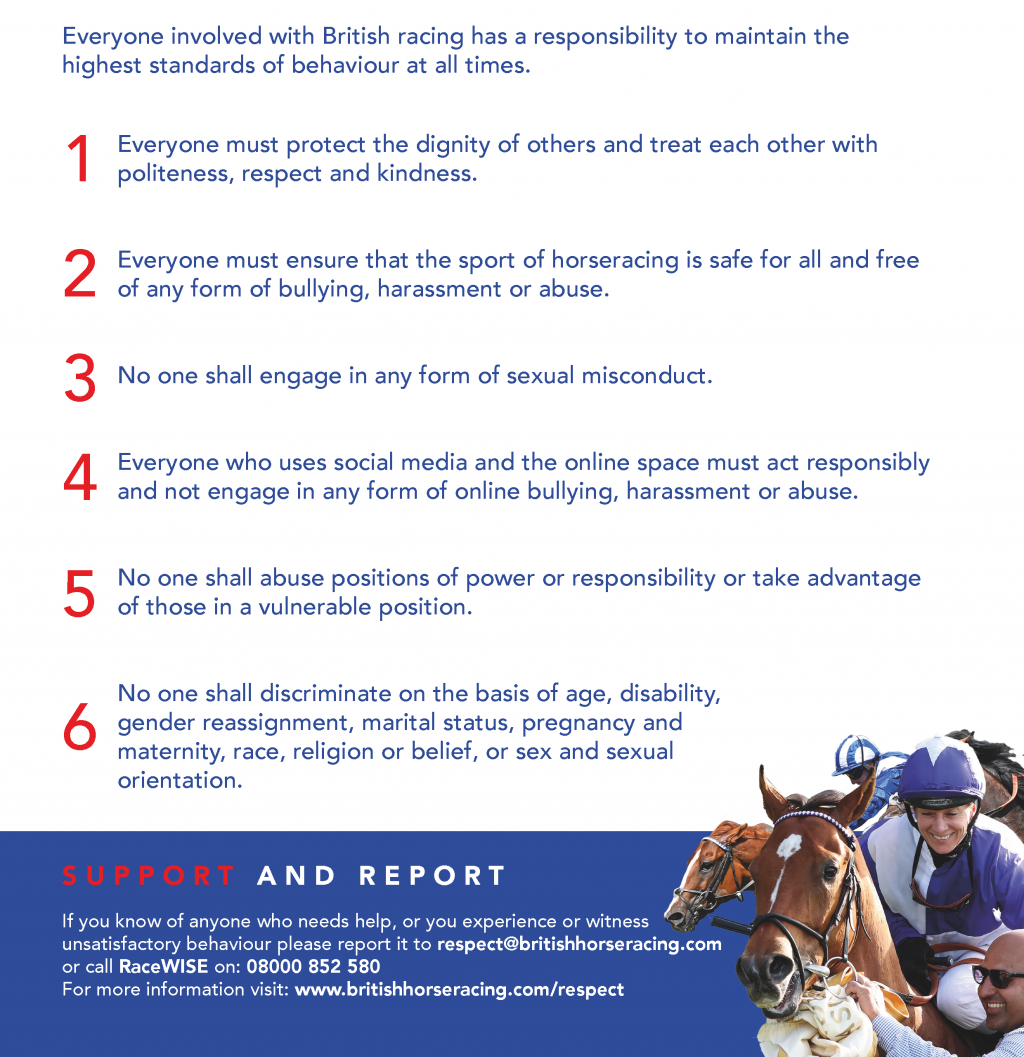
In light of these challenges, major regulatory bodies in the UK, including the British Horseracing Authority (BHA), have adopted measures to enhance integrity within the sport. The introduction of increased surveillance, enhanced drug testing for racehorses, and a focus on transparency have been steps taken to maintain public trust and uphold the sport’s reputation.
Moreover, initiatives aimed at educating punters about responsible gambling and the resources available for those affected by problem gambling are critical. Outreach programs tha

t emphasize the importance of betting within one’s means, alongside the collaboration with groups like GamCare, are essential to fostering a healthier gambling environment that protects both the sport and its enthusiasts.
The Future of British Horse Racing
The future of British horse racing is a dynamic conversation shaped by various factors, particularly consumer behavior, technological advancements, and regulatory changes. As the sport continues to evolve, it is essential to strike a balance between preserving tradition and adapting to modern demands. Innovations in online racing, augmented reality experiences, and improved broadcasting methods could enhance fan engagement and attract a new generation of racing enthusiasts.
Additionally, addressing the ethical dilemmas surrounding „horse racing not on GamStop” will require ongoing dialogue among industry stakeholders. By collaborating to create safer betting environments while maintaining the excitement and allure of horse racing, the future can be bright for this cherished British pastime.
Conclusion
British horse racing remains a cornerstone of the country’s sporting heritage, offering thrilling experiences for spectators and participants alike. However, it is critical to navigate the challenges posed by modern gambling practices, especially regarding the concept of „horse racing not on GamStop.” By fostering a culture of responsibility, integrity, and innovation, the sport can ensure its legacy and continue to flourish in the years to come. Engaging with technological advancements while prioritizing the welfare of both horses and fans will ultimately define the future of British horse racing.