
The Evolving Landscape of UK Horse Racing: What Happens When the Races Aren’t On?
Horse racing has long been a beloved sport in the United Kingdom. With a history that dates back centuries, this thrilling endeavor has roots in various cultural traditions and has evolved significantly over time. However, there are inevitable instances when horse races are not taking place, whether due to weather conditions, logistical issues, or seasonal breaks. During these periods, both fans and participants look for ways to maintain their passion for the sport and engage with the thrilling world of horse racing. For those interested, whether for entertainment or betting, UK horse racing not on GamStop non GamStop horse racing options may provide an avenue during off days.
The Importance of Race Days
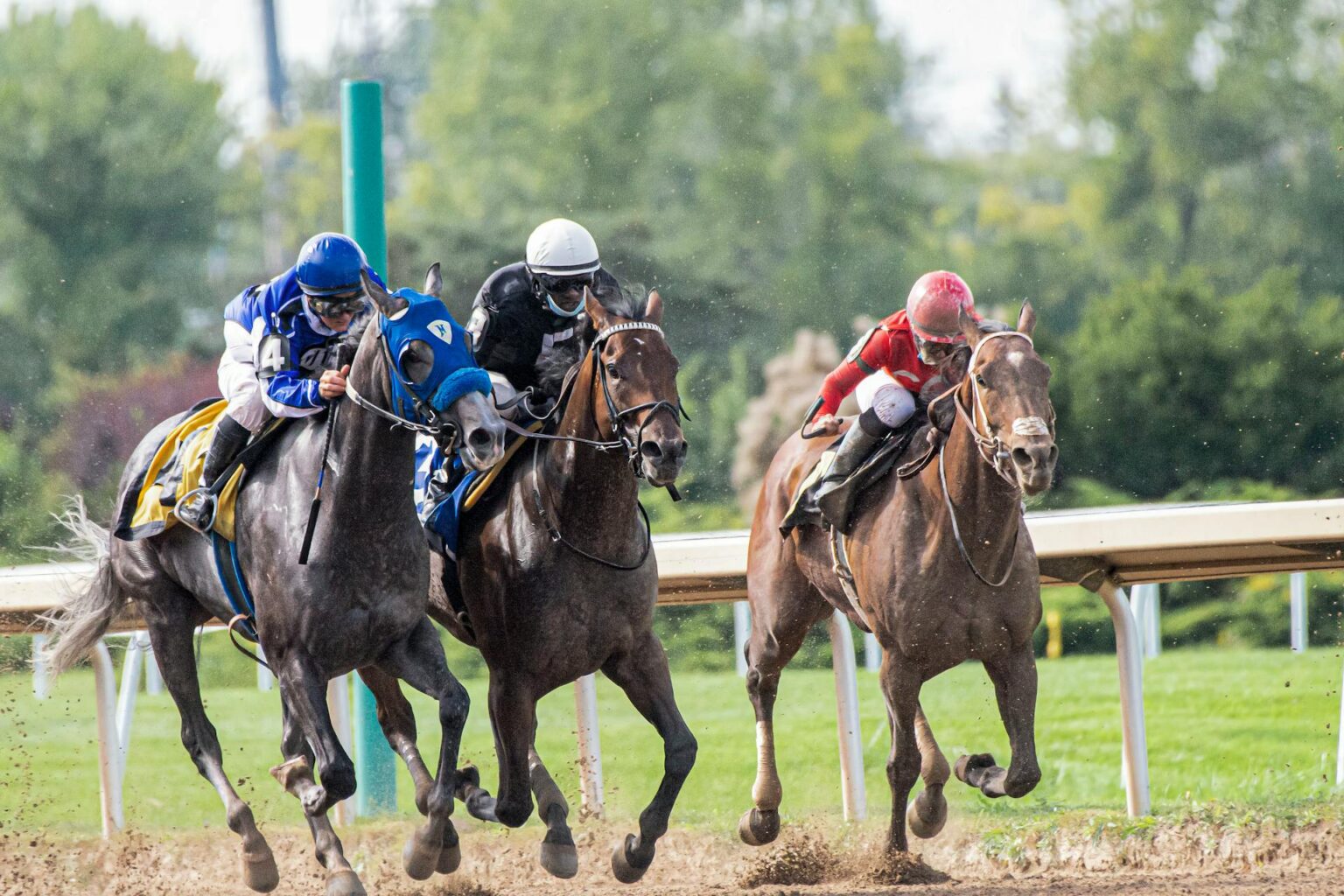
Race days are not just crucial for betting enthusiasts; they serve as essential social events. Major race days such as the Grand National or Royal Ascot draw thousands of spectators who enjoy the atmosphere, fashion, and excitement surrounding the races. These occasions are a celebration of culture and heritage, and they form a significant part of many people’s yearly calendars.
What Happens When Races Aren’t On?
So, what exactly happens when the UK horse racing calendar has gaps? Traditionally, the racing industry takes this opportunity to engage with the community and keep the spirit of the sport alive.
Community Engagement and Events
When official races aren’t being held, many racecourses turn their attention toward community involvement. They hold events such as charity functions, local fairs, and educational workshops about horse care, racing knowledge, and betting strategies. These activities allow fans to stay connected to the sport and often cultivate a deeper understanding of the hard work behind the racing industry.
The Impact on Betting
With horse racing being a significant component of sports betting in the UK, the absence of races can lead to a noticeable dip in betting activity. Bookmakers often adapt by providing alternative betting options on virtual races, harness racing, or other sports. This adjustment helps maintain customer engagement, ensuring that avid bettors have something to wager on, even on days when the horses are off the tracks.
Online Gambling Alternatives
The rise of online gambling has transformed the betting landscape significantly. On days when no live races occur, bettors can explore various online platforms offering different kinds of games and betting opportunities, including casino games and virtual racing. This shift provides a continuous flow of entertainment, although it may differ from the traditional experience of live racing.
Seasonal Breaks in Racing
Seasonal breaks in racing are standard occurrences in many countries. The UK racing calendar is structured with specific breaks to allow for horse recuperation, track maintenance, and preparation for the next season. During these breaks, many fans engage in discussions about the upcoming racing events, studying form guides, and making predictions based on trainers and jockey changes.
Training and Preparation
For trainers and owners, the times when races aren’t held are crucial for preparing horses for upcoming competitions. This period is typically filled with conditioning workouts, veterinary check-ups, and tweaking training regimes to ensure that horses are in peak condition for the next race. The development of young horses is also a critical focus during these times, as trainers often work with immature horses to bring them up to competitive standards.
Fan Engagement Through Media
In today’s digital world, media plays a vital role in keeping fans engaged even when there are no live races. Online platforms create content that revolves around reviews of past races, interviews with jockeys and trainers, and insights on horse performance. These resources enhance fan engagement and help maintain a vibrant racing culture even on quiet days.
The Role of Technology
Technology continues to revolutionize how fans interact with horse racing. Mobile applications allow enthusiasts to follow racing events, place bets online, or even watch live streams from anywhere in the world. The integration of augmented reality and virtual experiences provides unique ways for fans to feel connected to the races, even when they aren’t happening live.
Economic Impacts
The horse racing industry is a significant contributor to the UK economy. Non-race days can have economic repercussions, particularly for racecourses and nearby businesses that depend on the influx of visitors. However, these impacts can be mitigated through strategic planning, community events, and leveraging online platforms to maintain revenue streams.
Conclusion
While race days are the highlight for many horse racing fans, acknowledging the times when races aren’t taking place is essential for a full view of the sport. The community’s resilience, creativity, and engagement during these periods demonstrate the passion that underlies horse racing culture in the UK. Whether through community events, online gaming alternatives, or media-induced excitement, the spirit of horse racing continues to thrive. As fans look forward to the next race day, they can remain connected through a variety of channels, ensuring that the UK horse racing culture never truly goes silent.