
A Comprehensive Guide to Voluntary Disclosure in Compliance
Voluntary disclosure has emerged as a crucial concept in compliance and regulatory frameworks across various industries. Organizations that operate in highly regulated environments must often navigate complex legal landscapes, making adherence to regulations essential for maintaining operational integrity. Voluntary disclosure refers to the process through which organizations proactively inform regulatory authorities about non-compliance or issues that could lead to sanctions. For an in-depth exploration of voluntary disclosure in sanctions cases, you can visit information on voluntary disclosure https://ameqme.com/pages/voluntary-disclosure-in-sanctions-cases-benefits-and-risks.html.
Understanding Voluntary Disclosure
At its core, voluntary disclosure is about transparency. When organizations uncover potential violations, whether they result from inadvertent errors or more serious misconduct, they may choose to disclose these issues to the relevant authorities before any external party uncovers them. This proactive stance can create a distinction between genuine regulatory compliance efforts and negligence.
The Importance of Voluntary Disclosure
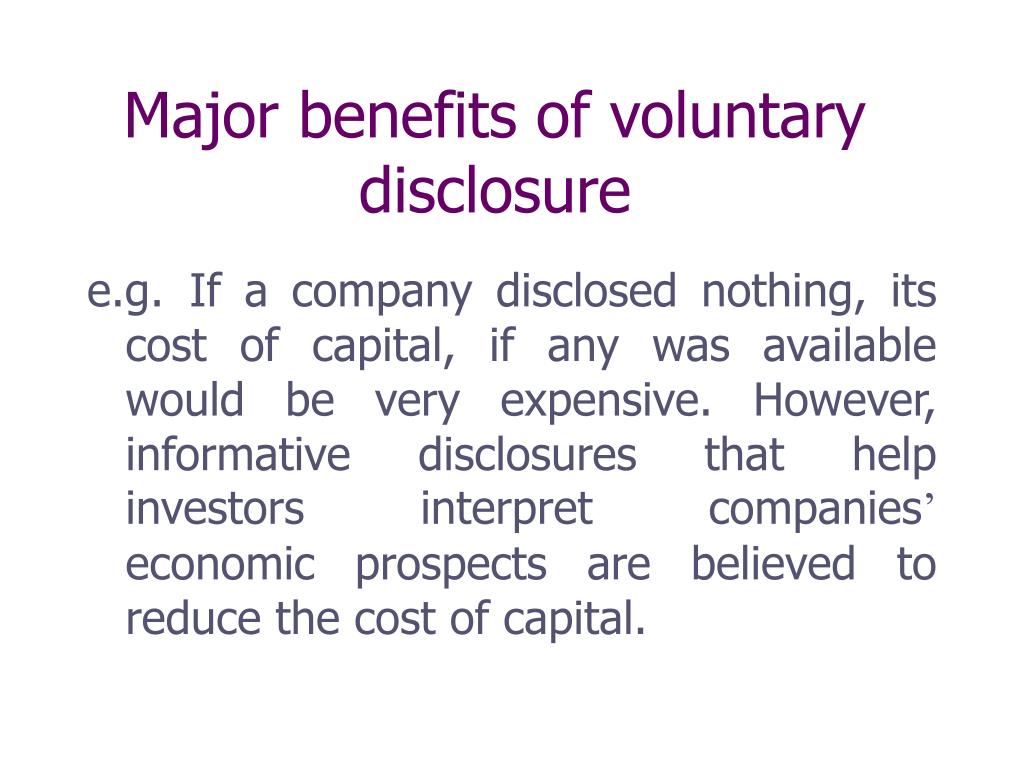
Organizations that practice voluntary disclosure can benefit in several ways. Firstly, it can significantly reduce the potential for severe penalties or sanctions. Many regulatory bodies view voluntary disclosure favorably, often offering leniency in enforcement actions for companies that self-report violations. This leniency can manifest as reduced fines, settlement options, or even the dismissal of charges, depending on the circumstances of the disclosure.
Benefits of Voluntary Disclosure
- Reduced Penalties: Companies that self-report may be eligible for reduced fines.
- Enhanced Reputation: Proactively addressing compliance issues boosts public and stakeholder trust.
- Improved Relationships with Regulators: Establishing open communication with regulatory bodies fosters goodwill.
- Opportunity for Remediation: Disclosure can lead to corrective actions and improved compliance programs.
Risks of Voluntary Disclosure
Despite the benefits, organizations must also consider the potential risks involved in voluntary disclosure. These can include:
- Increased Scrutiny: Self-reporting can invite deeper investigations, which may uncover additional issues.
- Loss of Competitive Advantage: Disclosure of certain information may provide competitors insights into a company’s weaknesses.
- Reputational Damage: Even voluntary compliance issues can harm a company’s reputation in the marketplace.
When to Consider Voluntary Disclosure
Determining the right time for voluntary disclosure can be challenging. Companies should assess the severity of the issue at hand, the likelihood of being discovered by authorities, and the potential consequences of non-disclosure. Common situations where voluntary disclosure may be appropriate include:
- Discovery of significant regulatory violations.
- Inadvertent failures in compliance frameworks.
- Legal violations related to financial reporting or sanctions compliance.
Frameworks and Guidelines for Voluntary Disclosure
Various regulatory bodies outline frameworks and guidelines for voluntary disclosure. For instance, government agencies often provide specific instructions on how companies can self-report, what information is necessary, and the expected processes to follow. Familiarizing oneself with these guidelines is vital for navigating voluntary disclosure effectively. Some key points to consider include:
- Documentation: Thoroughly document the nature of the non-compliance, how it was discovered, and steps taken to remedy it.
- Timeliness: Prompt disclosure can maximize the benefits and reduce penalties.
- Legal Counsel: Consult legal experts to understand the implications of disclosure.
Real-World Examples of Voluntary Disclosure
There are several notable instances where companies have successfully navigated voluntary disclosure. For example, a financial institution may report inadvertent lapses in compliance with anti-money laundering regulations after self-auditing. By reporting these issues before being discovered by regulators, they may mitigate penalties significantly.

Best Practices for Implementing a Voluntary Disclosure Program
To effectively carry out voluntary disclosure, organizations should consider the following best practices:
- Establish a Compliance Culture: Foster an environment where compliance is a priority for all employees.
- Implement Thorough Training: Conduct regular training on compliance and disclosure protocols.
- Create Reporting Mechanisms: Set up channels for employees to report concerns without fear of retaliation.
- Regular Audits: Conduct periodic audits to identify and address compliance vulnerabilities.
Conclusion
Voluntary disclosure is a vital strategy that can help organizations navigate the complexities of compliance and regulatory requirements. While there are undeniable benefits in practicing transparency through self-reporting, companies must weigh these benefits against potential risks. Developing a robust compliance culture and understanding the frameworks for voluntary disclosure can help organizations minimize risks while maximizing the advantages of being a responsible corporate citizen.
In an era where regulatory scrutiny is ever-increasing, the importance of proactive compliance cannot be overstated. Organizations that prioritize voluntary disclosure not only reflect their commitment to ethical business practices but also position themselves favorably in the eyes of regulators and stakeholders.