
The Impact of UK Horse Racing Being Unavailable
In recent years, the landscape of UK horse racing has encountered a multitude of challenges. Factors such as legislative changes, public health issues, and technological advancements have all contributed to a fluctuating scene that sometimes sees races being postponed or canceled entirely. This situation can have a significant impact not only on the betting scene but also on the culture and economy surrounding horse racing. For punters seeking excitement and alternatives, there are UK horse racing not on GamStop horse betting sites not on GamStop that come into play, providing an avenue for enthusiasts to continue engaging with the sport.
Historical Context of Horse Racing in the UK
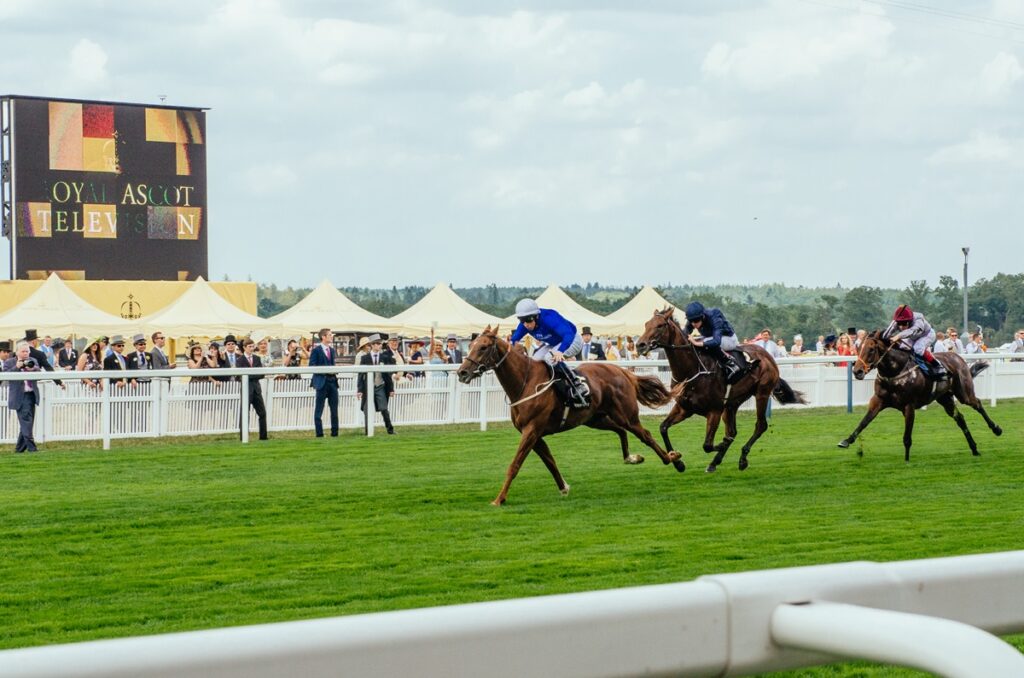
The UK has a long and storied history with horse racing, dating back to the 16th century when it became a popular spectator sport. The establishment of formal racecourses and regulatory bodies has transformed it into an organized industry, featuring critical events such as The Grand National and Royal Ascot. However, racing can sometimes face interruptions due to various factors including weather and legislation aimed at reforming gambling regulations.
The Legal Framework
With the changes in gambling laws, particularly in light of the Gambling Act 2005, the landscape has evolved significantly. There have been calls for reforms to address problem gambling and to provide better protection for consumers. This has led some operators to temporarily shut down or suspend their services, including many that cater to horse racing. As a result, it can be difficult for racers and bettors who depend on this income.
Cultural Impacts
Horse racing has always been more than just a sport in the UK; it is a cultural phenomenon that encompasses fashion, tradition, and socializing. Major events attract thousands of attendees, bringing communities together. The absence of these races not only diminishes local festivities but also affects small businesses, hospitality industries, and tourism. People may seek alternative forms of entertainment, yet the unique vibrancy of horse racing is irreplaceable.
Economic Ramifications
The economic influence of horse racing is considerable, contributing billions to the UK economy. With horses, trainers, staff, punters, and so forth, the ripple effect is profound. The cancellation of races leads to significant financial losses for owners, trainers, and support staff. Moreover, local economies suffer from reduced traffic and patronage. This is particularly impactful on rural communities where such events are critical economic staples.
The Role of Technology
Interestingly, advancements in technology have provided new avenues for racing to adapt. Online betting platforms have gained popularity during periods when physical races are unavailable, allowing fans to engage with the sport virtually. These innovations may provide a safety net during challenging times, but they cannot fully replicate the experience of being at the racetrack.
Recreational Alternatives
With the uncertainty surrounding horse racing schedules, many members of the betting community begin looking for alternatives. Sportsbooks are finding innovative ways to create markets around different types of events, perhaps unintentionally promoting a wider exploration of gambling options. From virtual racing to international competitions, alternative betting opportunities can help fill the void.
Regulatory Considerations
As we look at the changes initiated within the UK regulatory framework, it becomes evident that adaptations need to foster a healthy balance between protecting consumers and allowing for sustainable bet offerings. These adaptations, while sometimes challenging, may lead to innovative products that uphold the integrity of the sport, even during periods when live events face interruptions.
Conclusion
The implications of UK horse racing not being on extend far beyond mere spectator disappointment. The cultural, economic, and legal dynamics take on a greater significance as they reflect the intricacies of an industry that has been woven into the very fabric of British life for centuries. As the community continues to navigate these challenges, it is evident that the love of racing will persevere, whether through alternative betting sites or the eventual return of live events that have been dearly missed.

Looking Forward
In conclusion, while the immediate impact of UK horse racing not being on poses challenges, the resilience of the sport and its fans provides a sense of hope. By embracing technology and fostering new methods of engagement, horse racing can adapt and endure. The industry can look towards a brighter future, enriched with new opportunities and experiences that not only preserve its storied legacy but also pave the way for its evolution.